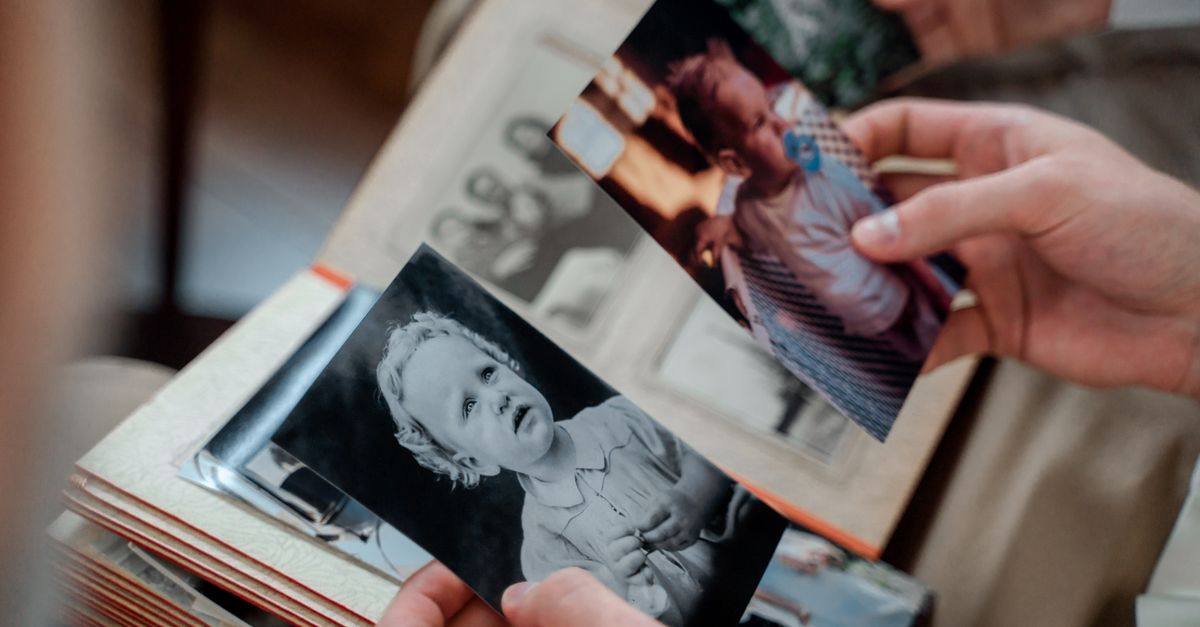
A memorial for a grandparent does not need to summarize a life. Choose one story, saying, recipe, place, or repeated act of care that the family recognizes immediately, write it down plainly, and shape it from there.
What should you verify?
Every name, date, and place, with someone who was there.
Family history drifts. Dates shift by a year, places merge, and a story that everyone knows often turns out to have three incompatible versions. Checking with a relative before you write is faster than correcting a finished piece, and it usually surfaces a better detail along the way.
Avoid the generic grandparent register — the rocking chair, the endless patience, the wisdom dispensed on cue. Real people are more specific and more interesting than the type, and the piece should be recognizable as being about this particular person.
How do you choose from a whole life?
Ask what you would tell a stranger about them in one sentence.
Whatever comes out first is usually the right subject. It might be a habit, a phrase, a job, a stubbornness, a kindness they never mentioned. Trying to be comprehensive produces a eulogy; choosing one thing produces something people will actually stop and read.
One person's memory is also not the whole family's experience. Write from your own vantage point rather than claiming to speak for everyone, or gather several perspectives deliberately.
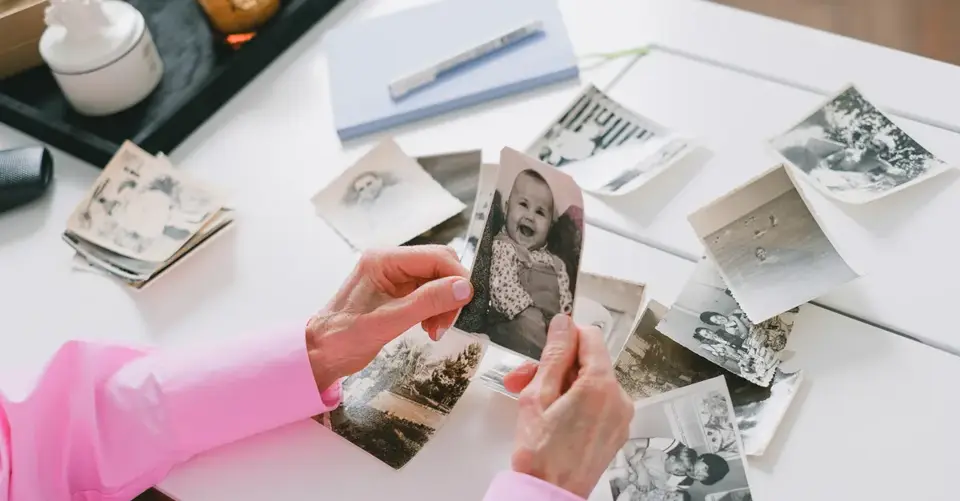
Invite Family Contributions Carefully
Asking widens what you have to work with and shares the weight of getting it right.
How to ask
Ask relatives whether they want to contribute, and whether their words may be displayed. Those are two separate questions. Someone may be glad to tell you a story and unwilling to see it on a wall, and assuming otherwise causes real hurt.
A specific request works better than an open one. "What did she always say when someone was leaving?" produces an answer. "Any memories?" produces silence, particularly from people who are grieving.
When memories conflict
If versions differ, preserve the difference instead of forcing them into one account. Two relatives remembering the same afternoon differently is not a problem to solve; it is often the most human thing about the story, and either version can anchor a piece.
For a recent loss
Keep the language gentle and practical, and keep the task small. Choosing wording soon after a death is difficult, and there is no obligation to do it quickly. This is a writing exercise, not grief treatment or medical advice, and stopping partway through is a reasonable outcome.
If several relatives want to contribute, collecting one line each and choosing together is easier than one person carrying the decision alone.
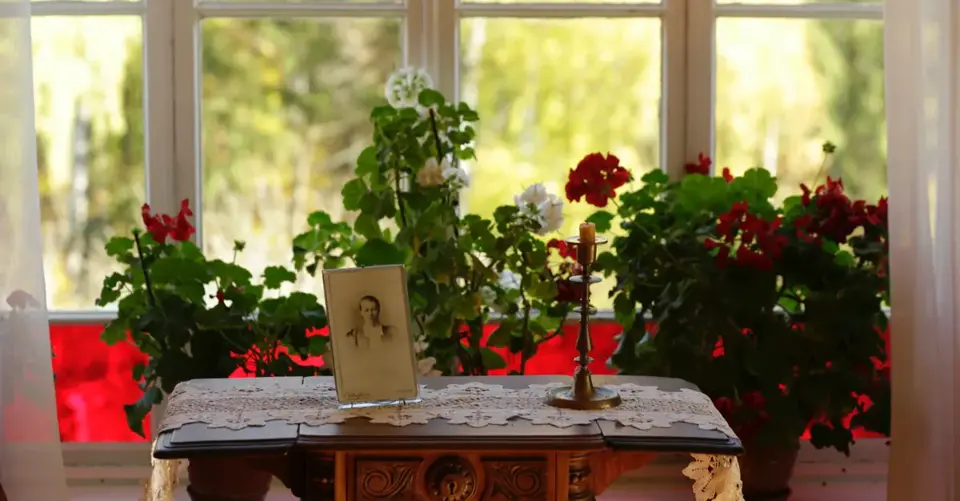
Create the Memorial Design
Use your own words, public-domain text, or text you have permission to reproduce. In the editor you can adjust text and fonts, choose a background or approved photo, and review the full preview before checkout.
How short can a memorial piece be?
Very. One accurate line about a specific habit carries more than several stanzas of general tribute, and it is easier to encounter every day. A memorial that can be read in a breath is one people will keep reading rather than avoid.
What if I did not know them well?
Write from where you actually stood. A grandchild who knew someone only in their last years has a real and legitimate vantage point, and honesty about it reads better than borrowed familiarity. One clear memory of your own beats a secondhand summary.
Should we include dates?
Entirely a family preference. Dates make the piece a record; leaving them off makes it a remembrance. Some families want both, in which case keep the dates visually smaller so the words remain the reason to look.
What if different relatives want different wording?
Gather each person's suggested line and choose one together rather than merging everything. Composite wording tends to please nobody, and separate small pieces for different branches of the family is a legitimate answer when a single version cannot be agreed.
Is it too soon to make one?
Only you can judge that, and there is no schedule. Some families find the task steadying in the first weeks; others need a year. Nothing is lost by waiting, and a piece chosen without pressure is usually the one that gets kept.
For choosing concise inscription wording specifically, this guide to memorial wording goes further, and the family collection approach is a gentle way to gather memories while people are still here. Examples live on the memorial ideas page.