
A birth keepsake usually needs less information than people first assume. A name, a date, and one honest sentence about the first meeting will outlast a full record of statistics, and it is much easier to read in a child's room.
Which details belong in the poem?
One moment and one hope.
Choose a single detail from the day itself — the weather, the hour, what someone noticed first, how quiet or loud the room was — and one thing you want for the child. That is a complete piece. Adding more tends to turn it into a certificate.
Ask the parents which information may be displayed. Time, place, and measurements feel neutral to some families and private to others, and a piece intended for a wall will be read by every visitor to that room.
What should you leave out?
Anything medical, and anything the child might not want made permanent.
Details of the birth itself belong to the parents and, eventually, to the child. Avoid diagnoses, complications, and circumstances that a family may not want on display. A keepsake is not a record, and the parts worth keeping are rarely the clinical ones.
It is also worth writing for the child who will read this at twelve, not only for the parents reading it now. That single shift tends to remove the sentimental excess by itself.
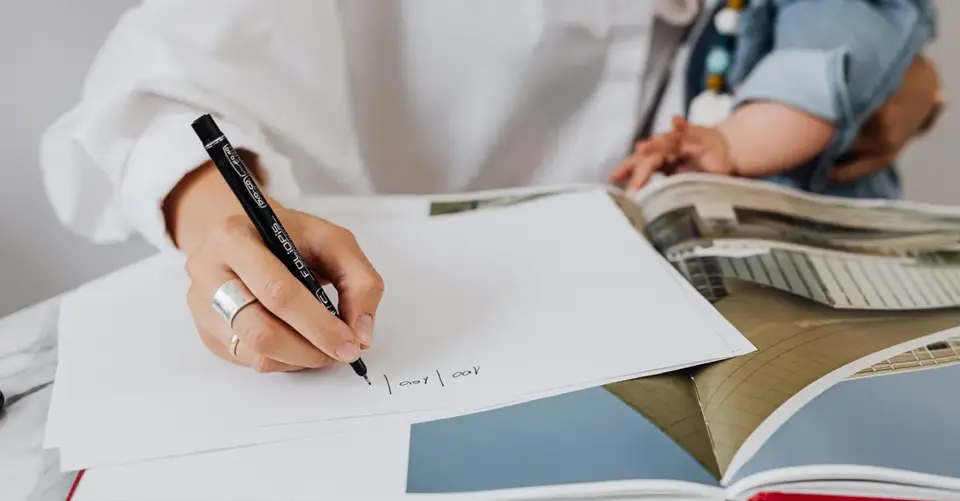
Write in the Family’s Voice
The best line usually already exists, said out loud by someone in the first few days.
Use what was actually said
An original sentence from a parent, grandparent, or sibling — used with their permission — is nearly always better than something composed afterwards. Ask what people remember saying or thinking. A sibling's blunt first reaction is frequently the most quotable thing anyone produces.
Check the spelling of every name and confirm the date and time against the family's own record rather than memory. Those first weeks are not a reliable period for anyone's recall.
Including a photo
A photo can be included when the parent or guardian approves its use. Consider that the piece may hang where visitors see it, and that a newborn photograph is a more public thing on a wall than in an album.
If you are writing this as a gift
You are working with someone else's information, so ask before you assume. Which name they are using, how the date is written, whether the middle name is settled, and whether they want any of it displayed at all — all worth a short message before you start rather than a surprise afterwards.
If you are unsure where to start, the editor can draft a poem from a few details you provide, and every line stays editable before you order. Revise it so it uses the family's actual words, and verify every fact in it.
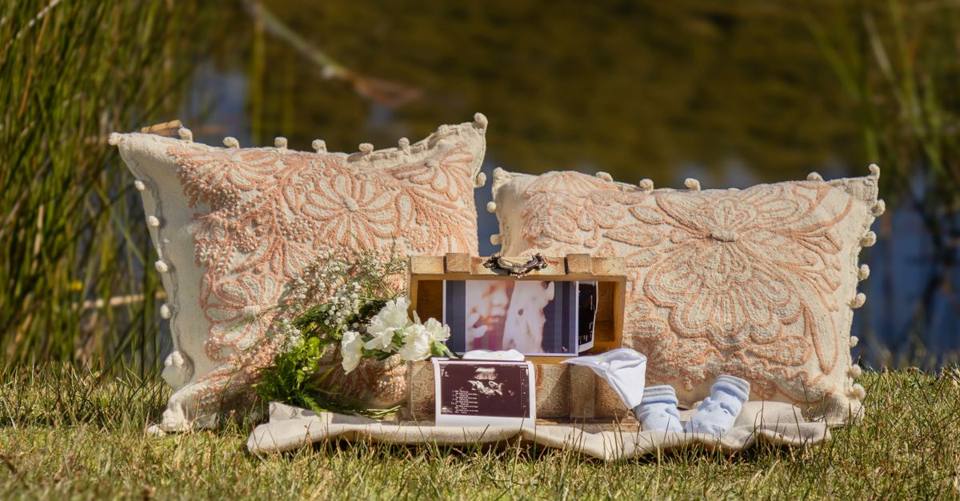
Review Before Ordering
In the editor you can adjust the text and fonts, choose a background or approved photo, and review the full preview before checkout. For a date-sensitive gift, check the current ordering information and keep a separate backup plan.
How much detail should be on a birth keepsake?
Less than a birth record and more than a name. A name, a date, and one line that sounds like the family is a good target. Full statistics turn the piece into a document, and documents are read once and then filed mentally, even when they are hanging on a wall.
Is it appropriate as a gift from outside the family?
Yes, with a short conversation first. Confirm the spelling and the details, ask whether they want anything displayed, and keep the wording warm rather than presumptuous. Something addressed to the parents about the child usually lands better than something written in the child's voice.
What about a second or later child?
Make it its own piece rather than an addition to the first. Later children notice when their turn was handled as a footnote, and a matched set of separate pieces solves the problem neatly while giving each child something that is theirs.
Can we make one for an adoption or a fostering placement?
Yes, and the same principles hold: one moment, one hope, and only the details the family wants visible. Use the language the family uses about how their child joined them, rather than substituting wording borrowed from a birth announcement.
When is the right time to make it?
After the first few weeks, when someone has slept. Deciding what the moment meant is easier with a small amount of distance, and the details you can verify then are more reliable than the ones remembered in the first days.
For gathering memories from relatives, the family collection approach works well here too, and the room-by-room guide covers wording for a child's room. Examples live on the new baby ideas page.