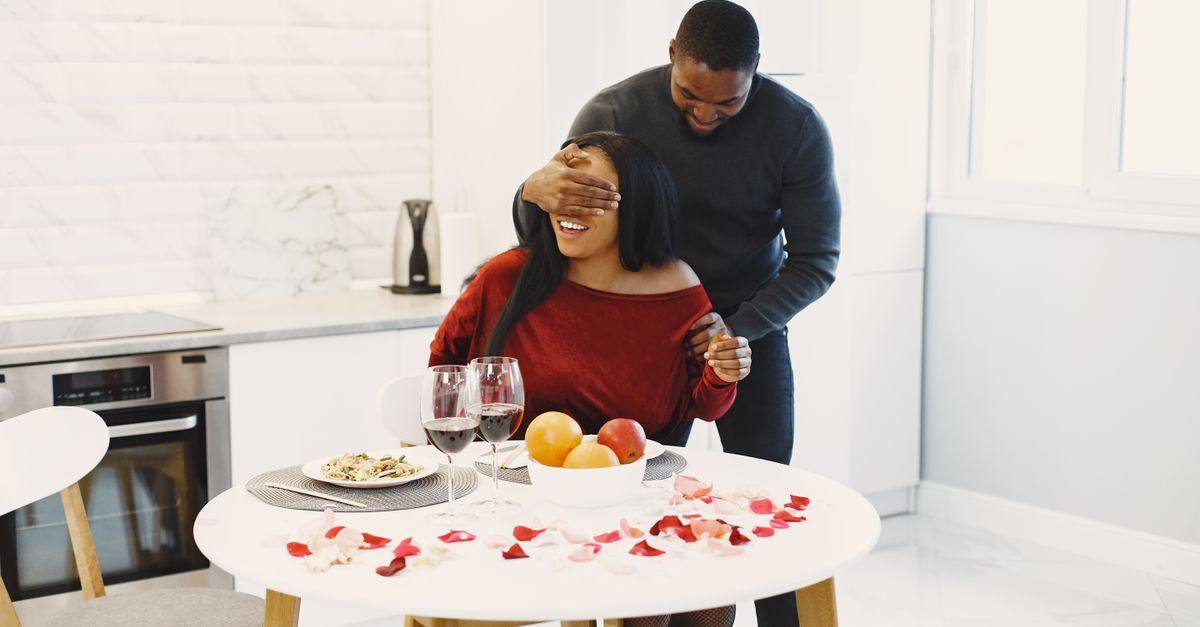
A first-anniversary message works when it names something that happened after the wedding rather than replaying the wedding. The ceremony is already documented. What is not documented is the year you just spent learning how to actually live with each other.
What should the message include?
One memory from the year, why it mattered, and one hope for the next.
That structure is short on purpose. Specific details from a real year are more interesting than claims about what every marriage is like, and they have the advantage of being true.
The first year has a particular texture that gets forgotten quickly. The apartment with the bad shower. The week you both got sick. The exact argument that turned out to be about something else entirely. In ten years that texture will be gone, which is a good reason to write it down now.
Why not just repeat the wedding?
Because the wedding was one day and the year was the actual achievement.
Anniversary messages default to wedding imagery — the dress, the vows, the day itself — and end up as a second wedding card. The more interesting piece marks what changed since. It also ages better, because it becomes the first entry in a record rather than a duplicate of one you already have.
If you want a prompt that reliably works: what do you know about your partner now that you did not know a year ago? Almost everyone has an answer, and almost nobody has said it out loud.
Turn the Memory into Original Lines
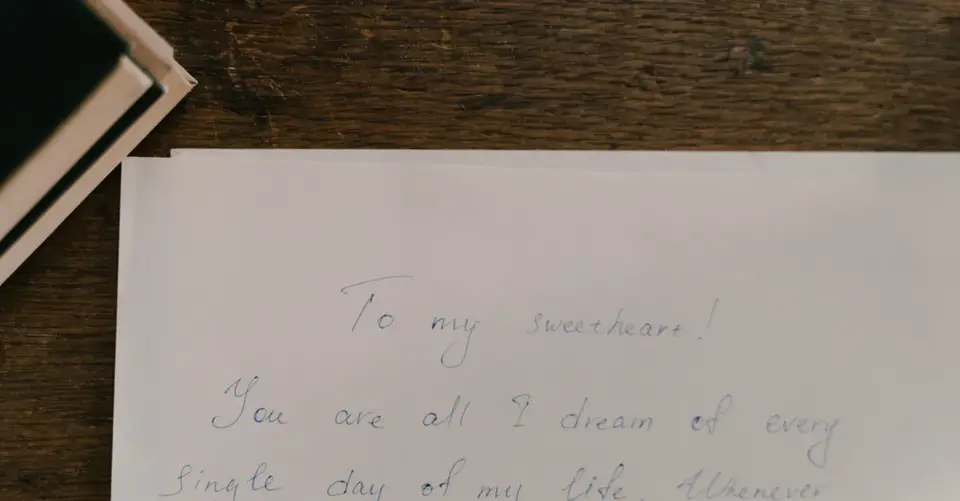
Write it as prose first. Poetry comes from cutting, not from starting poetic.
The three-step version
- Write the memory plainly, as though telling a friend, in five or six sentences.
- Cut it to the two or three phrases that carry the feeling.
- Break the lines where you would pause if you were saying it aloud.
Keep the words you actually use with each other. A private name, a phrase you repeat, the shorthand you developed for a recurring situation — those are the parts that make the piece unmistakably yours, and they are the first things a polished draft tends to remove.
Prompts for a first year
- The first thing that stopped feeling strange.
- The week that was harder than expected, and what got you through it.
- A small habit one of you picked up from the other.
- The moment you realized the wedding was not the point.
Adding a photo
A photo from the same period can support the message, but the words should still make sense without it. An image from the year works better than one from the wedding here, for the same reason the words should: it marks where you are rather than where you started.
Use original words, public-domain text, or text you have permission to reproduce. If you use an assisted draft to get moving, revise every line so the details are accurate and the voice is yours.
Review the Details Together
Check names, dates, spelling, and photo crop. In the editor you can adjust the text and fonts, choose a background or photo, and review the full design before checkout.
What if the first year was difficult?
Then write about that, carefully. A line acknowledging a hard year and what you did about it is more meaningful than a cheerful one that neither of you believes. Keep it warm and keep it brief; the piece should be something you are glad to see, not a summary of the argument.
Should it be a surprise or made together?
Making it together is genuinely a good anniversary activity, and it removes the risk of a detail being remembered differently by each of you. If you want the surprise, check any names or dates with someone else who knows, because that is where solo attempts usually go wrong.
How is a first anniversary different from later ones?
The raw detail is closer and less filtered. You still remember the specifics of the year, which makes concrete writing easy. Later anniversaries tend to work better as a turning point or a lesson, since the granular detail fades and the shape of the period becomes clearer.
Can we start a yearly tradition with this?
It works well as one, and the constraint is what makes it work: one memory per year, written the same way each time. The accumulated set becomes a record of what each year was actually like, which is something a photograph does not quite capture.
What should I avoid writing?
Predictions about the future, general claims about marriage, and anything that reads like a card. Also avoid summarizing the whole year — the summary is always vaguer than the single moment, and vagueness is the one thing that makes a personal piece forgettable.
For year-by-year prompts beyond the first, see the anniversary guide, and if you would rather build the piece from your vows, the vow excerpt guide covers choosing lines. Examples live on the anniversary ideas page.