
The most reliable anniversary prompt is not the year number. It is the question of what changed since the last one. Answer that with one memory, one difficulty you handled, and one hope, and you have a message that could only belong to this particular year.
How should the idea change by year?
What you have to write about changes, even when the structure does not.
Early anniversaries have close, granular detail: a new routine, a first shared decision, something that stopped feeling strange. Later ones have shape instead: a turning point, a place you kept returning to, a lesson the relationship taught one of you. Write from whichever kind of detail you actually have.
The year number can sit in the design without dictating anything else about it. It is a label on the piece, not a theme you are obliged to build around.
Why not follow the traditional year themes?
Because they will steer you away from your own year.
Working backwards from an assigned theme means writing to a prompt someone else set, and the results read that way. Working forwards from what actually happened between last spring and this one produces something nobody else could have written, which is the entire point of a personal piece.
If you like having a framework, use a consistent one of your own: the same three questions every year. Same structure, completely different answers.
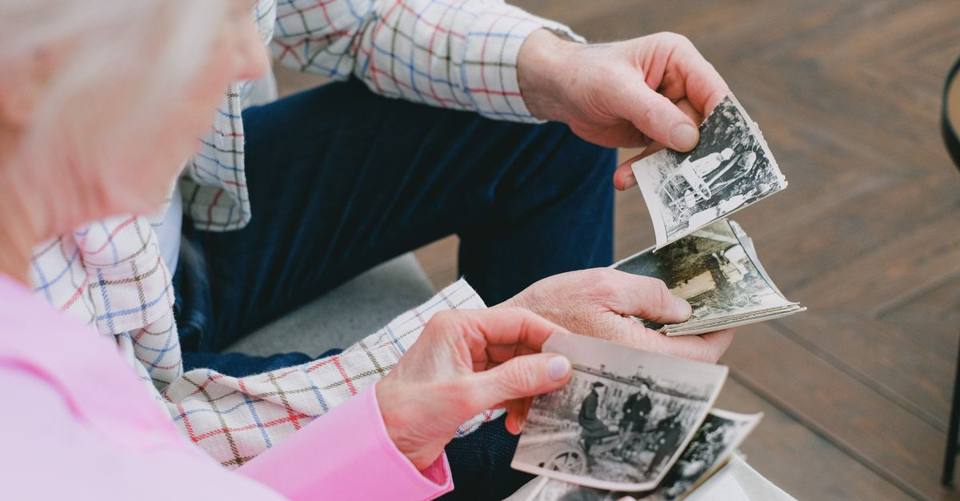
Choose the Words and Photo
Draft in plain language, then keep only the lines that sound like you.
A three-question framework that works at any year
- What is one thing from this year I want to remember exactly as it was?
- What did we get through, and what did it show about us?
- What am I looking forward to that I can name specifically?
Answer all three in prose, then take the strongest one and build the piece around it. Trying to include all three usually produces a list rather than a message.
Prompts by stage
- Early years: a routine you invented, a first shared decision, a place you made yours.
- Middle years: something that got harder and then got easier, a habit you gave up, a person you added to the household.
- Later years: a turning point, an ordinary day you would repeat exactly, something you understand now that you did not.
Choosing an image
Pair the words with a photo from the same period, or choose a background that keeps the text readable. A recent picture is usually stronger than a wedding photo, because it marks the year the words are about.
Use your own words, public-domain text, or text you have permission to reproduce. Attribution alone does not grant permission, and a familiar romantic line is more likely to be protected than free.
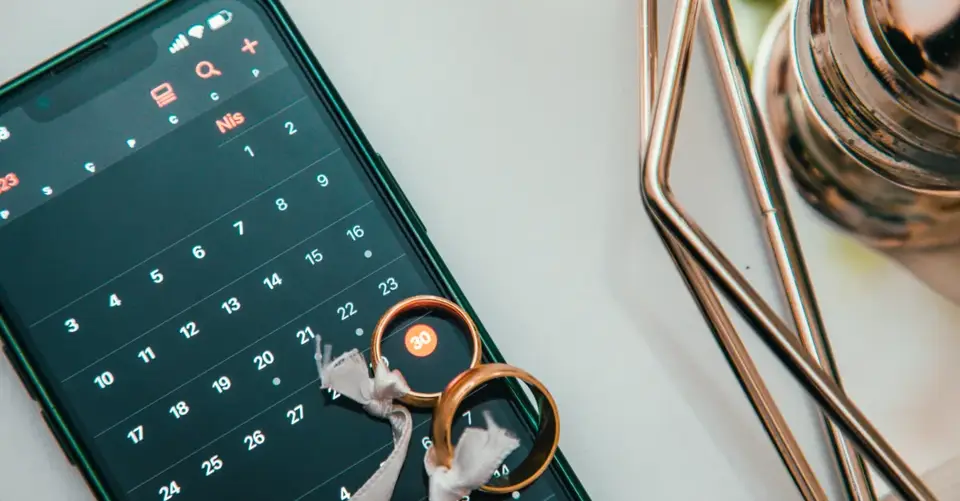
Review the Anniversary Details
Check names, dates, spelling, and photo crop. The editor lets you adjust text and fonts, choose a background or photo, and review the full design before checkout.
What do I write for a milestone year?
Resist the urge to summarize the whole span. A tenth or twenty-fifth anniversary tempts people into a retrospective, which flattens everything into generalities. One vivid moment from the period, told concretely, does more work than a decade in outline.
What if we do not remember anything notable from this year?
Then write about the ordinary. Quiet years are real years, and a line about an unremarkable Sunday you both enjoy is a truer record than a manufactured highlight. The absence of drama is often worth marking on its own terms.
Can I write one for someone else's anniversary?
Yes, and the approach shifts: write from what you have observed rather than what you assume. One thing you have noticed about how they are together, said plainly, is far better received than a general wish for continued happiness. Check any dates or names with a family member first.
How do I keep it from sounding the same every year?
Change the question, not the format. If last year was a memory, make this year a turning point or a hope. Keeping the same structure while changing the angle gives you a consistent set that never repeats itself.
Should the year number be on the piece?
It helps if you are building a series, since it turns individual pieces into a record. Keep it visually subordinate to the words, though — the number is the filing label, and the sentence is the reason anyone stops to read.
For the first year specifically, the first-anniversary guide goes deeper, and this piece on specificity covers turning a memory into lines. Finished designs live on the anniversary page and in the gallery.