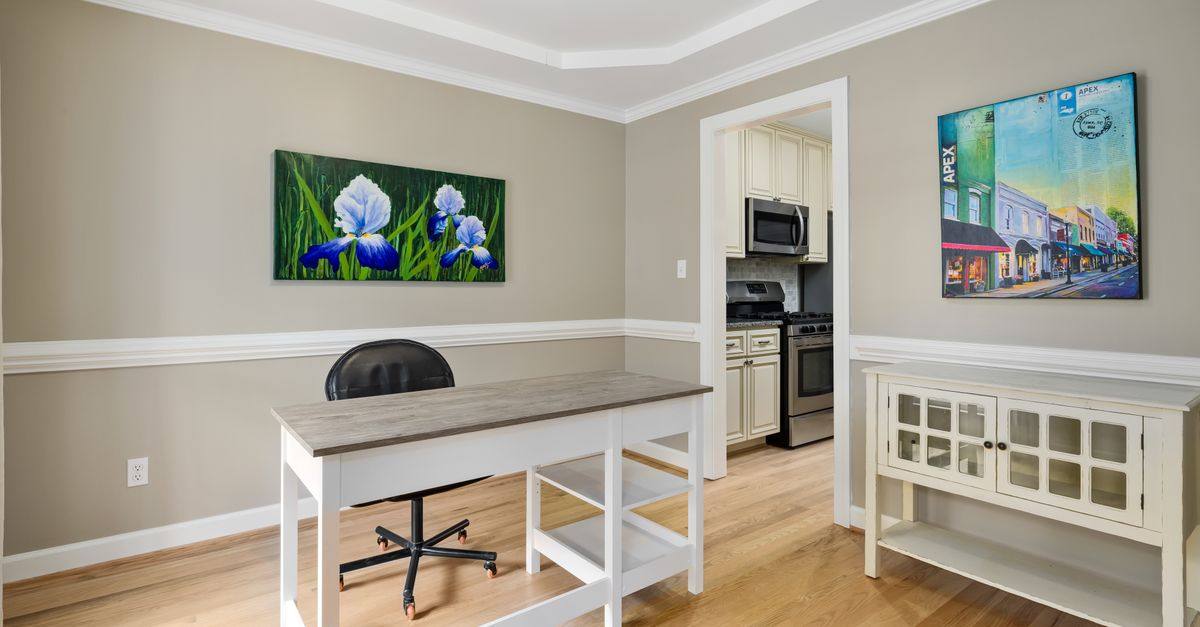
Words on a wall work when they are specific to the person living with them. Start from a value, a memory, or an intention you genuinely want to encounter each day, and write it in language you would actually use out loud.
Which theme belongs in the room?
Whatever you would still agree with on a bad day.
This is the practical test that most "inspirational" wall text fails. A line that only works when you are already feeling good becomes irritating the rest of the time, and you will stop seeing it within a month. A line you would nod at while tired is one you can live with.
For a shared room, choose language everyone in the household recognizes. For a private workspace, name the practice you want to return to — patience, focus, finishing one thing at a time. Different rooms genuinely want different registers.
Why does most inspirational wall text stop working?
Because it was chosen for how it sounded rather than for what it meant to someone.
Familiar motivational phrasing has been read so often that it slides past without registering. It is not that the sentiment is wrong; it is that it belongs to everyone, so it addresses no one. Your own plainer sentence will outlast it, because it carries a reference only you can supply.
Be honest about what wall text does, too. It is a reminder of something you already decided, sitting where you will see it. Presenting it as a guaranteed route to a better mood, better health, or better output is overselling a good idea.

Turn the Theme into Original Lines
Three sentences of plain writing will get you to something usable.
The plain-sentence method
- Write one plain sentence about what matters to you here.
- Add one concrete image from your own life that shows it rather than states it.
- Delete anything that sounds borrowed, and cut whatever is left in half.
Short lines are easier to place, easier to read at a distance, and much easier to live with. Length is the most common mistake in this category: a paragraph on a wall is a document, not a reminder.
Show rather than declare
"Be patient" is an instruction, and instructions on walls tend to feel like nagging. "The bread takes as long as it takes" says the same thing and belongs to whoever wrote it. The concrete version is nearly always the one people keep.
Test it before you commit
Write the candidate line on paper and tape it where the finished piece would go. Leave it a week. You will know very quickly whether it is something you want to read repeatedly or something you already stopped noticing.
Use your own words, public-domain text, or text you have permission to reproduce. Attribution by itself does not grant permission, and widely quoted motivational lines are frequently still protected.
Preview the Words in Context
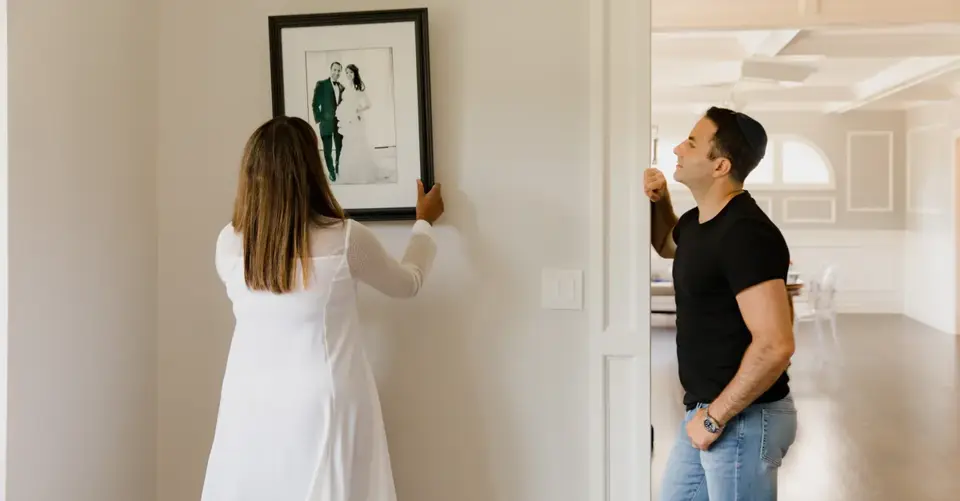
If you are unsure where to start, the editor can draft a poem from a few details you provide, and every line stays editable before you order. You can adjust the text and fonts, choose a background or photo, and review the full preview before checkout.
How many words should go on the wall?
Fewer than feel sufficient while you are writing. A line or two that can be read in a glance will be read hundreds of times; a full stanza will be read carefully once and then treated as pattern. If you have more to say, keep the long version somewhere else and display the distilled line.
Where should it go?
Somewhere you pass rather than somewhere you sit. Text placed where you already spend time gets absorbed into the background quickly. A doorway, a hallway, or the wall you face on the way out keeps a reminder functioning as a reminder.
What works for a shared space?
Language everyone in the household would choose, not language one person is assigning to the others. A phrase already in use in your home is the safest starting point, because it carries a shared reference and nobody has to be persuaded of it.
Can I use a quotation I love?
Only if it is original to you, in the public domain, or licensed for your use. Finding a line widely reproduced online is not evidence that it is free to reproduce. A good alternative is to write your own sentence about why that idea matters to you, which is both safe and more personal.
Will it actually change how the room feels?
It will change what you are reminded of, which is a real but modest effect. Words on a wall are a prompt, not a treatment, and it is worth choosing them on that basis. The value is in having decided what matters enough to keep visible.
For a room-by-room approach, see choosing poetry for each room, and for the writing technique itself, the no-experience walkthrough applies here too. Ready-made designs live in the gallery.