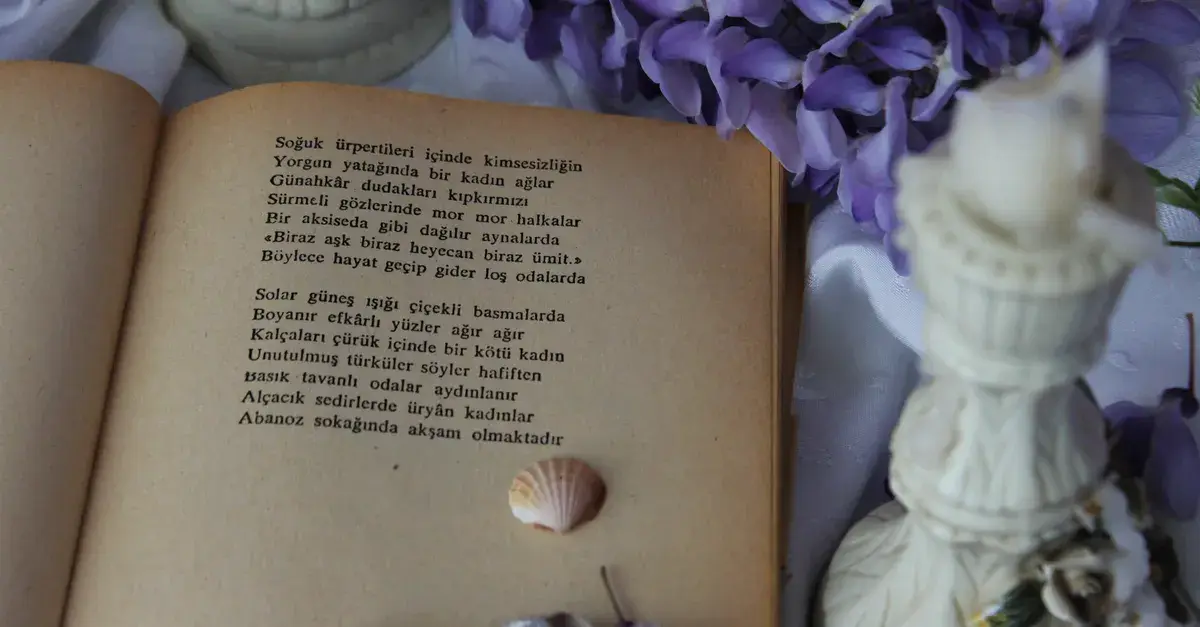
A poem fits a plaque well when it reads comfortably in six to sixteen lines, with short stanzas rather than dense paragraphs. Length matters less than pacing: clear line breaks, breathing room, and a few well-chosen words tend to look and feel better than cramming in every sentiment you have. A plaque is a small, fixed surface, so the poem has to earn its place there, not simply fill it.
Why does length even matter for a plaque?
Unlike a card or a letter, a plaque is meant to be read at a glance, often from a few steps away, and often more than once over the years. If the text is too dense, the eye struggles to find a resting point and the words start to blur together. If it's too sparse, the design can feel unfinished or the message can feel thin for the occasion. Length, in this context, is really about how comfortably the poem sits on the surface, how the lines break, and how much white space surrounds them, rather than a strict word count you need to hit.
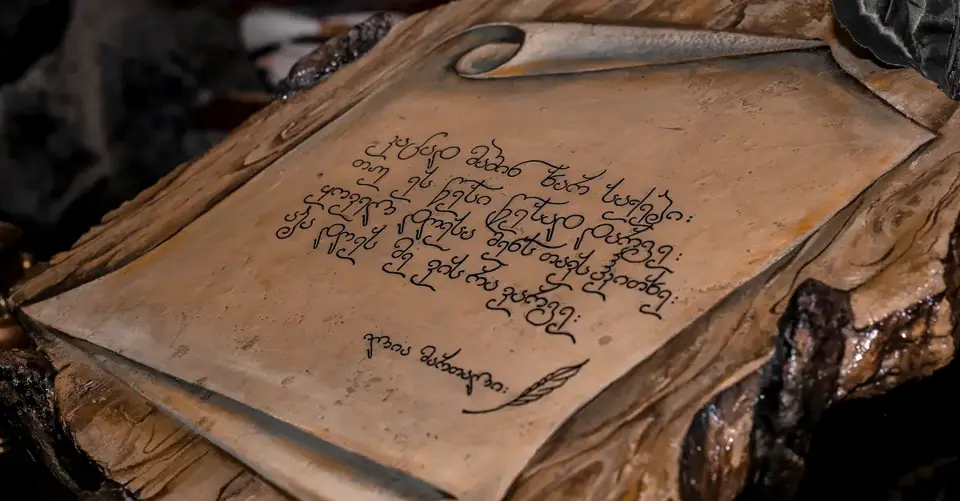
What length actually works best?
Short poems, four to eight lines, work beautifully for a single strong image or moment, such as a single line about a shared morning ritual or a quiet gesture that meant something. Medium poems of ten to sixteen lines suit a fuller story, like an anniversary timeline, a family tribute, or a poem that moves through a few connected memories. Anything longer usually needs to be trimmed, because a plaque is meant to be read in one glance, not studied like a page in a book. If your draft runs past sixteen lines, it's worth asking whether every stanza is doing distinct work, or whether some are simply restating the same feeling in new words.
How do I decide what to cut?
Read your draft aloud and mark the lines that carry real weight, the ones that would be missed if removed. Cut repeated ideas, filler adjectives, and any line that explains rather than shows. If two stanzas say the same thing in different words, keep only one, and choose the version with the more specific, concrete detail. It also helps to read the poem at the size it will actually appear, since lines that look fine on a full page can feel crowded once shrunk down to plaque dimensions.
- Keep one central image or memory per stanza
- Favor short, plain lines over long clauses
- Read it aloud at plaque size before finalizing
- Leave a little visual space around the text, not just words
Does the background or photo affect how much text fits?
Yes. A busy photo background needs a shorter, higher-contrast poem so the words stay legible against competing detail, shapes, and colors. A calmer or more muted background can hold slightly more text, since there's less visual noise for the eye to sort through before it reaches the words themselves. If a photo has a lot going on, consider trimming your poem further or choosing a placement with a clearer, more even area behind the text.
If you want a closer look at how backgrounds and text interact, walks through that decision in more detail, including how contrast and placement affect readability.
In the PlakYourPoem editor you can write or paste your own poem, adjust the text and fonts, and choose a background or photo before ordering.
What if my poem feels too short once it's trimmed?
A short poem isn't a lesser poem. Some of the most memorable plaques hold just two or three lines, and their brevity is part of what makes them feel considered rather than rushed. If it feels incomplete, try adding one concrete detail, a name, a date, a place, rather than more general emotion, since specificity often does more to fill out a short poem than additional adjectives ever could.
Can I try a longer poem and just see how it looks?
That's often the easiest way to decide. Draft your poem, then preview it against your chosen background before committing to a final version, paying attention to how the line breaks fall and whether any lines feel crowded or oddly spaced once they're set against the image.
What if I'm not sure how to start writing at all?
Starting from a few details rather than a blank page often makes length easier to judge, since you can trim from something rather than stretch nothing. Jot down a memory, a phrase someone used, or a small habit worth remembering, and let the poem grow from there before you worry about final line count.
If you are unsure where to start, the editor can draft a poem from a few details you provide, and every line stays editable before you order.
In short, let the plaque guide the poem, not the other way around. Aim for lines that feel complete rather than lines that fill space, and trust that a well-paced short poem will often read as more thoughtful than a long one crammed to fit. If you'd like more wording direction for a specific occasion, our gift and occasion guides offer additional starting points for finding the right tone and length together.