
Assisted drafting is useful as a starting point and useless as a substitute for your judgment. The editor can produce a first version from details you supply, but the details are the part that matters, and only you have them.
What can the editor actually help with?
The blank page, mostly.
If you are unsure where to start, the editor can draft a poem from a few details you provide, and every line stays editable before you order. That is the honest description of what assistance does: it removes the paralysis of the first line and gives you something to react against.
Reacting is easier than creating. Most people who freeze in front of an empty page have no trouble at all saying "no, not like that, more like this" — and that sentence, repeated four or five times, is how a draft becomes yours.
What can it not know?
Everything that makes the piece worth keeping.
It does not know that the trip was in October, that the argument was about a bookshelf, or that the phrase you both use came from a mishearing years ago. It cannot tell whether a line is true. It has no way to judge whether a detail is affectionate or a sore subject in your particular family.
So the division of labor is clear. Assistance handles structure and momentum. You handle truth, specificity, and tone. Any draft that is left as generated will read as generic, because generic is the only thing it can produce without your input.
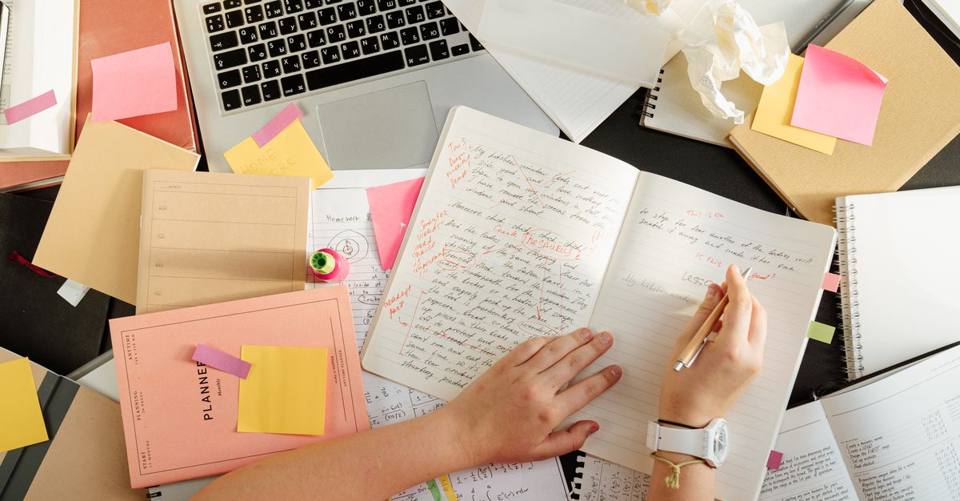
A Simple Revision Process
Five passes, in this order, will take a serviceable draft to something worth ordering.
- Supply only details you are comfortable having visible in a room.
- Read the draft aloud, once, without editing.
- Replace every general line with your own language.
- Check names, dates, tone, and text permissions.
- Adjust the text, fonts, background, or photo in the editor.
Why reading aloud comes before editing
Your ear catches what your eye forgives. A line that looks fine on screen will reveal itself as stilted the moment you say it, and stilted is the characteristic failure of an unrevised draft. Read the whole thing through once before changing anything, and mark the places where you stumbled.
What "replace the general lines" means in practice
Find every phrase that would work for a stranger and swap it for something that would not. "Your beautiful smile" becomes the specific circumstance under which they smile. "All the things you do for me" becomes one of the things they do. The draft gives you the shape; you supply the contents.
Where the responsibility sits
Your revisions are what connect the words to a real relationship, and they are also where accuracy is decided. An assisted draft can produce a confident sentence about an event that never happened, so every factual detail needs your check before it goes anywhere.
The same applies to text you did not write. Use your own words, public-domain text, or text you have permission to reproduce; a draft that includes a familiar-sounding line is not evidence that the line is free to use.
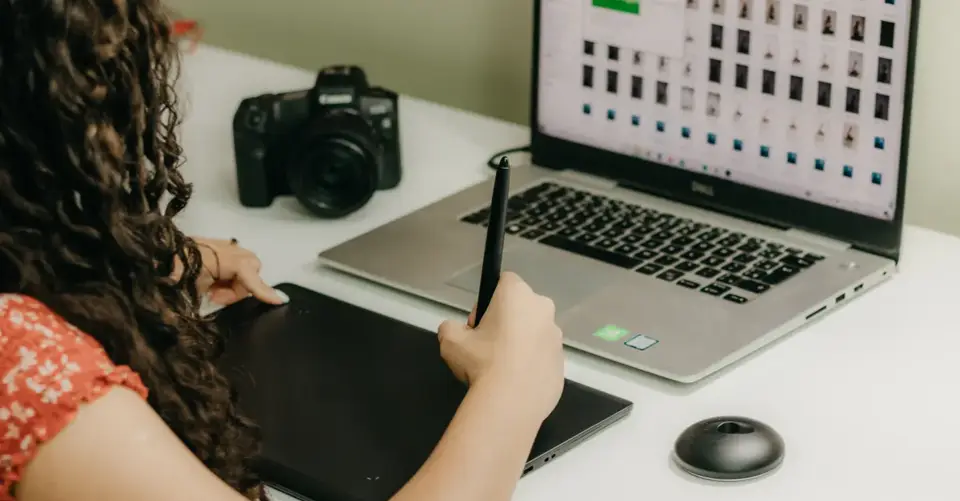
You Keep the Final Say
You see a full preview of your plaque design before checkout. Use it to review the message and the visual balance together, and keep changing things until the result says what you meant to say.
Will the poem sound like a machine wrote it?
It will if you leave it as drafted, and it will not if you revise it. The tell is generality: unrevised drafts reach for broad, agreeable phrasing because they have nothing specific to work with. Replacing three or four general lines with concrete detail is usually enough to make a piece read as yours.
How many details should I provide?
Three is a good working number, and they should be concrete rather than thematic. A place, a habit, and a moment will produce a far more usable draft than a list of adjectives about how wonderful someone is. Vague input reliably produces vague output.
Can I start from scratch instead?
Absolutely, and plenty of people should. In the PlakYourPoem editor you can write or paste your own poem, adjust the text and fonts, and choose a background or photo before ordering. Assistance is there for the blank page, not as a required step.
Is it dishonest to use a draft as a starting point?
No more than using a card someone else wrote, and considerably less if you rewrite it. The meaningful work in a personal message is choosing what to say about a specific person, and that decision stays with you regardless of where the first sentence came from.
What should I never leave unchecked?
Names, dates, relationships, and any factual claim about an event. Those are the errors that get noticed immediately and cannot be un-noticed. Read them once more at preview, out of sequence, so you are checking the facts rather than re-reading the sentence you already know.
If you would rather write it yourself from the start, the no-experience walkthrough is the better route, and the gift-giving guide covers how to find the detail worth writing about. Ready-made starting points live in the gallery.