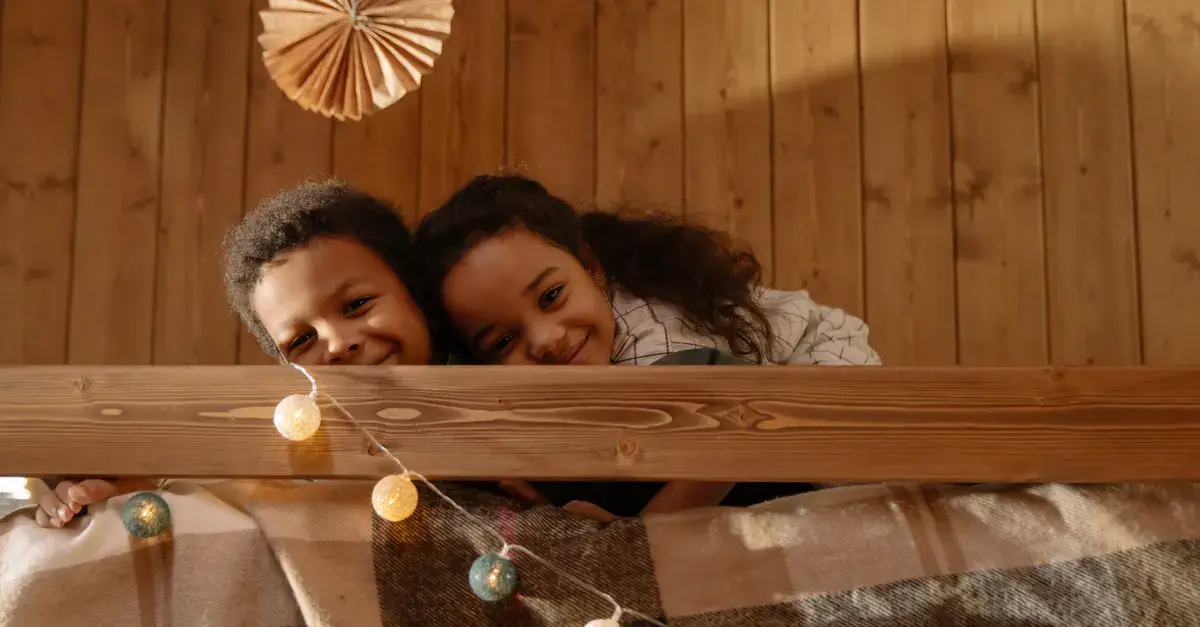
Write a sibling poem by naming one real memory or trait instead of general praise, keep the tone matching your actual relationship, and let a small detail carry the feeling. A poem that mentions something specific — an inside joke, a shared childhood habit, a way they show up for you — will feel truer than broad phrases like "best friend forever."
Many people default to phrases that could apply to any sibling relationship, hoping the sentiment alone will land. But sentiment without specificity tends to feel like a card everyone gets, rather than words meant for one particular person. The fix is simple: before writing anything, think of one moment that only makes sense between the two of you.
Why does specific detail matter more than pretty phrasing?
Siblings share a long, layered history, so vague warmth can feel like it could apply to anyone. A single concrete image — the sound of their laugh, a trip you took together, how they always show up early — signals that the poem was written for this person and no one else.
Think about the difference between saying someone is "always there for me" and describing the specific time they drove three hours without being asked. The second version does more emotional work in fewer words, because it shows rather than states the closeness.
This doesn't mean the poem needs to explain the whole backstory. A phrase or two that only your sibling would fully recognize is often enough — the reader doesn't need every detail spelled out to feel the sincerity behind it.

What should the poem actually say?
Start by listing two or three real memories or traits before you write a single line. Choose the one that still makes you smile or feel steady when you think of it, and build the poem around that instead of trying to cover their whole life.
It helps to write these memories down as plain notes first, without worrying about rhyme or rhythm. Once you can see them side by side, one usually stands out as the strongest anchor for the whole poem, and the rest can become supporting lines or simply fall away.
- A shared memory: a trip, a tradition, a running joke only the two of you understand.
- A quality you rely on: their humor, patience, honesty, or steadiness.
- A quiet acknowledgment of change: how your relationship has grown since childhood.
- A simple, sincere line of gratitude rather than an exaggerated claim.
You don't have to use all four ideas in one poem. Two well-developed lines about a single memory often carry more weight than four separate ideas competing for attention in a short piece.
How do you match tone to the occasion?
A birthday poem can be light and funny if that fits your relationship; a graduation or milestone poem might lean more reflective. Let the occasion guide the tone rather than defaulting to formal language that doesn't sound like either of you.
It can help to picture how your sibling would read the poem out loud. If the wording sounds like something they'd tease you for, but in an affectionate way, that's often a sign the tone is right rather than wrong.
What if my sibling and I are not sentimental with each other?
You don't need flowery language to make a poem meaningful. A few honest, understated lines — even ones with humor — often land better than something overly emotional if that's not how you normally talk to each other.
A poem written in your normal register, jokes and all, can still be a keepsake. What matters is that it sounds like you, not that it sounds like a greeting card.
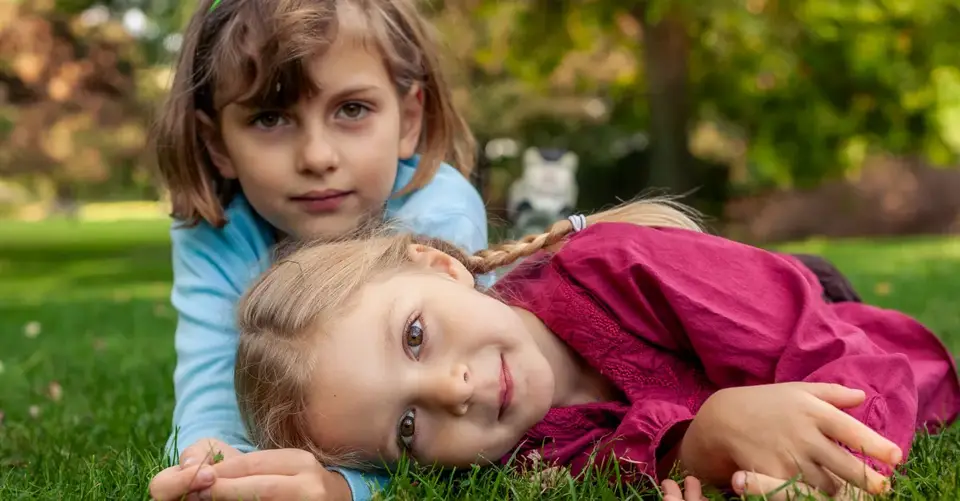
Can I use a poem I already have in mind?
Yes. You can bring your own wording into the design process and adjust it as you go.
In the PlakYourPoem editor you can write or paste your own poem, adjust the text and fonts, and choose a background or photo before ordering.
What if I'm not sure how to start writing?
If you are unsure where to start, the editor can draft a poem from a few details you provide, and every line stays editable before you order.
Does the poem need to be long?
No. A short, well-chosen few lines often reads better on a keepsake than a long poem, especially when the goal is something that feels personal rather than exhaustive.
For more on pacing and length, see this related guide.
A brief summary
A sibling poem works best when it names something real: a memory, a trait, a shared history that only the two of you recognize. Keep the tone true to how you actually talk, choose a length that suits the gift, and let one honest detail do the work instead of general sentiment.