When time is short, narrow the idea instead of widening it. A single specific message, written well, reads as more considered than an elaborate gift assembled in a hurry — and it is the only part of the process that does not depend on anything outside your control.
What can you prepare right away?
The words, and the facts behind them.
Collect a photo you have permission to use. Confirm the spelling of names and the accuracy of dates. Draft a few original lines about one real memory. None of that requires a decision about format, and all of it is work you would need to do regardless.
This is also the part that most often gets skipped under pressure, which is why hurried gifts read as hurried. A misspelled name or a wrong date is noticed immediately and remembered permanently. Ten minutes of checking is the highest-value time you will spend.
Why does narrowing work better than scrambling?
Because scope is the thing you can still control.
Under time pressure, the instinct is to compensate with size: more elements, more sentiment, more coverage of the whole relationship. That instinct produces exactly the vague, interchangeable message that signals rush. One concrete memory, told properly, signals the opposite.
The recipient has no way of knowing how long you took. They can only see whether the thing in front of them contains something only you would have known to say. That is entirely achievable in an afternoon.
Use a Backup Plan for the Date
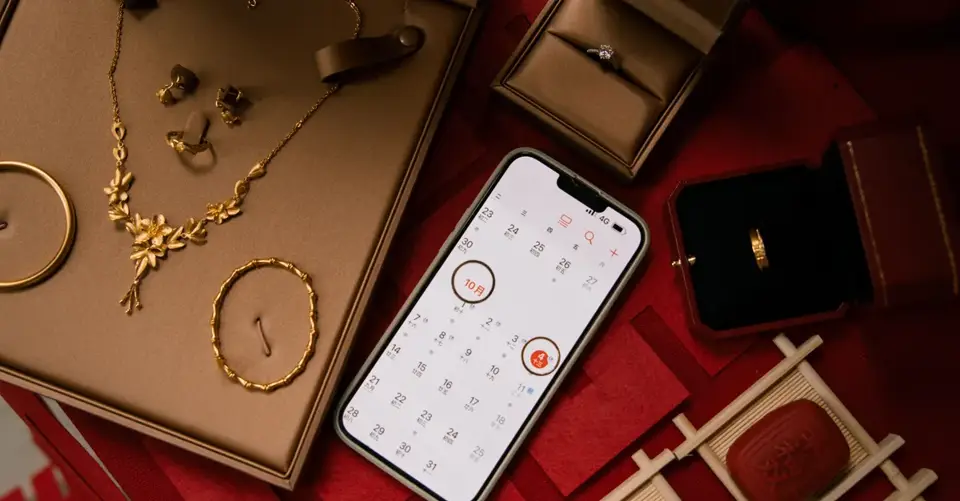
Decide what happens if a physical item does not fit the timeline, and decide it now rather than later.
Check before you commit
For a date-sensitive gift, check the current ordering information before you begin and keep a separate backup plan. Do not assume a custom item will suit a fixed date until you have confirmed how the current process works.
Making that check first is what separates a calm plan from an anxious one. If the timing works, you proceed knowing it works. If it does not, you find out while you still have options rather than the night before.
What a good backup actually looks like
A handwritten version of the same words is not a consolation prize; it is the same gift in a different form. The message is what you spent your effort on, and it works on paper.
Other options that hold up well:
- The written message now, with the finished piece to follow.
- A planned shared activity, described in the note.
- A card explaining what you are making and why you chose it.
Say what is happening
If something is still being made, tell them. A short note explaining what you chose and why lands far better than a vague apology, and it converts a delay into anticipation. The awkwardness of short notice comes almost entirely from concealing it.
In the editor you can write or paste your own poem, adjust the text and fonts, and choose a background or photo before ordering.
Review the Details
You see a full preview of your plaque design before checkout. Check spelling, crop, contrast, and wording one more time. Use original, public-domain, or properly licensed text rather than reaching for a protected lyric because the clock is running.
How do I make a short-notice gift not look rushed?
Be specific about one thing rather than general about everything. Rushed gifts read as rushed because they hedge toward broad sentiment. A single named memory, with a place and a detail attached, is unmistakably the product of thought, and it takes about fifteen minutes to write.
Is it better to give something late or something generic on time?
Usually late, and said openly. Most people would rather receive something clearly meant for them a little after the date than something interchangeable on it. Explain the choice in a note; the explanation itself demonstrates that the thinking happened.
What should I check first when I am in a hurry?
Names, dates, and permissions, in that order. Those are the errors with no recovery. Design choices can be adjusted at preview, and wording can be tightened, but a misspelled name on a finished piece is the detail that gets remembered instead of the message.
Can I write something good in under an hour?
Yes, if you narrow the subject first. Spend ten minutes choosing one memory, twenty writing it plainly, ten cutting it to the lines that carry the feeling, and the rest checking facts. The time pressure is only a problem when it is spent deciding what the gift should be.
For choosing which detail to build on, see why personalization outperforms expense, and for the writing itself, the no-experience walkthrough is the fastest route to a usable draft. Ready-made starting points live in the gallery.