
A seasonal message works when it ties the occasion to one real detail from your relationship. Pick the holiday, name what it actually means to the two of you, and avoid the generic wording that would suit any couple in any year.
Which memory fits the season?
The one you already associate with it without trying.
Most couples have unplanned seasonal markers: the walk you always take in October, the argument you have every December about the same decoration, the first warm evening when you eat outside again. Those are more useful than the official meaning of the holiday, because they are yours.
If nothing comes immediately, work through the year: for winter, a tradition you repeat; for spring, a beginning; for summer, a shared place or activity; for autumn, something you appreciate about the life you are building.
How do you avoid seasonal clichés?
By writing about the specific instance rather than the season.
"Winter nights are warmer with you" is a sentiment about winter. "You still put your cold hands on my back every November" is a sentiment about a person, and it happens to be seasonal. The second one is funnier, truer, and impossible to have written about anyone else.
The test is the same as always: if the line could be swapped onto another couple's piece without editing, it is describing the holiday rather than the relationship.
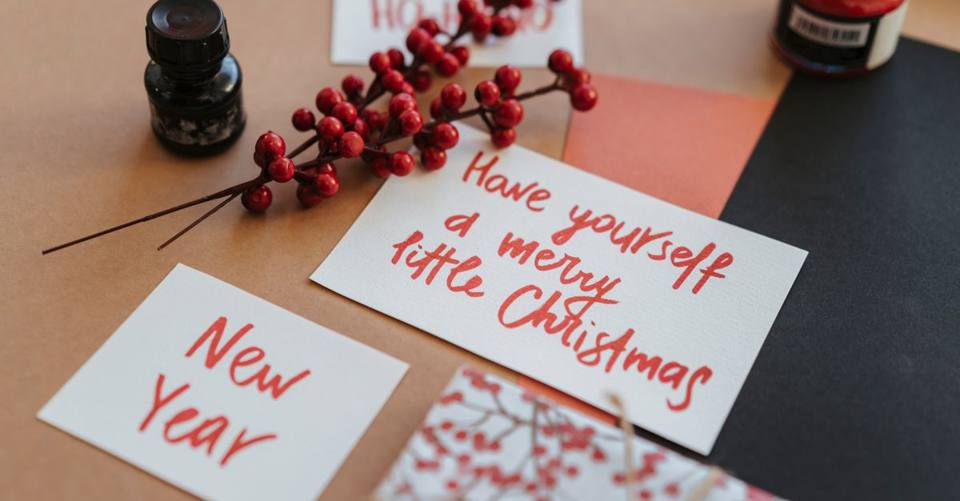
Keep the Words Original and Specific
Specific does not mean exposing. Choose details you are both comfortable having visible.
Check before you use it
A date, a place, a family saying, or a private joke all work well, provided everyone involved is comfortable with it being read by whoever visits the room. A reference that requires explaining to guests becomes a small chore rather than a warm detail.
Seasonal prompts worth stealing
- Winter: the tradition you repeat without discussing it anymore.
- Spring: something that began, or began again, this year.
- Summer: a place you return to, and what you do there.
- Autumn: one thing about your ordinary life that you would not change.
- Any occasion: what you noticed about them this year that you had not before.
Text you did not write
Use your own words, public-domain text, or text you have permission to reproduce; attribution alone does not grant permission. Seasonal songs and poems are among the most frequently borrowed and most reliably protected text there is, so treat a familiar festive line with particular care.
Planning around a date
For a date-sensitive gift, check the current ordering information before you begin and keep a separate backup plan. Deciding that early keeps the writing relaxed, which is generally where the better lines come from.
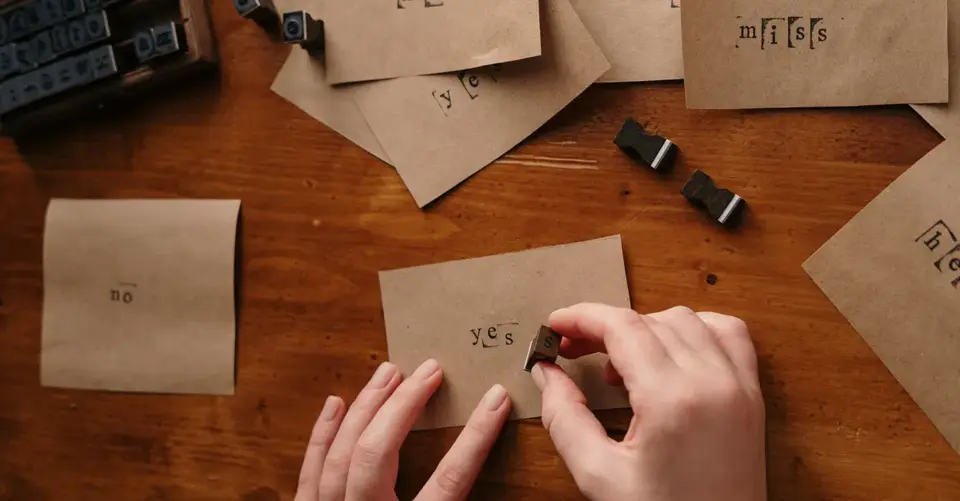
Create One Design at a Time
In the editor you can write or paste your own poem, adjust the text and fonts, and choose a background or photo. Start with the next occasion rather than planning a full year, review the full preview before checkout, and keep only the details that feel true.
Should I make a different piece for every holiday?
Probably not all at once. Making one at a time keeps each piece tied to something that actually happened, which is what makes them worth keeping. A batch produced in one sitting tends to blur into variations on the same few sentiments.
What works for a first holiday together?
Something small and low-stakes. Early in a relationship, a modest specific observation reads far better than a grand declaration, which can land awkwardly if the two of you are at different points. Write about the actual evening rather than about the future.
Can a seasonal piece be reused each year?
It can, and pieces tied to a recurring tradition rather than to one year's events reuse best. If you want something that comes out annually, write about the tradition itself; if you want a record, write about this particular year and expect to add to the set.
What about holidays we do not personally celebrate?
Skip them, or mark whatever your household actually does instead. There is no obligation to produce something for every occasion on the calendar, and a piece about a date that means nothing to you will read exactly that way.
How do I handle a holiday that is difficult for one of us?
Write gently and briefly, or choose a different date. Some occasions carry a loss or a strained relationship for one partner, and a cheerful seasonal piece can land badly. A quiet line acknowledging the day without performing it is usually the kinder choice.
For the underlying technique, see what makes a personal poem land, and if the date is close, the short-notice guide covers narrowing the idea quickly. Seasonal examples live in the gallery.